Westova
Sweet‑orange kitchen degreaser that actually cuts the grease
Sweet‑orange kitchen degreaser that actually cuts the grease
Couldn't load pickup availability
When the stovetop ends up looking like a battlefield after a weekend of frying, I’m usually the one reaching for a spray that promises “no‑scrub” magic. The bottle I keep on the counter these days isn’t a gimmick; it’s a 500 ml Rephyl degreaser that smells like a fresh citrus breeze and actually dissolves the stubborn oil without a harsh chemical punch.
Why the scent matters (and why it’s not just perfume)
Most cleaners leave a lingering, almost medicinal odor that makes you wonder if you’re still cooking or standing in a lab. This one, however, releases a sweet orange fragrance that fades quickly, leaving the kitchen feeling brighter rather than “cleaned with chemicals.” It’s a small touch, but most people notice the difference the moment they walk in after a quick wipe.

Fast‑acting power without the “toxic” label
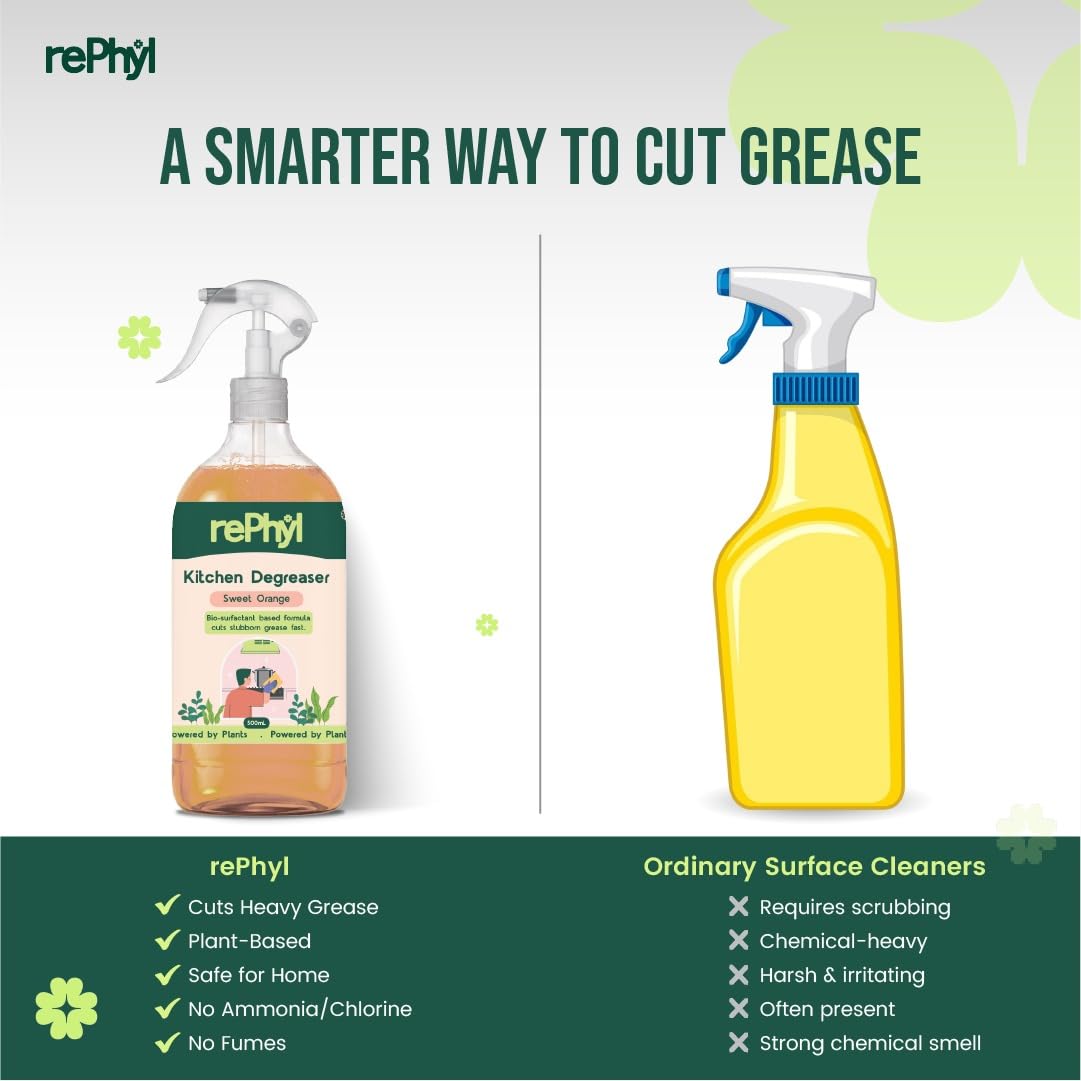
The formula leans on bio‑enzymes and plant‑derived ingredients, which means it attacks grease at a molecular level. You spray, let it sit for a minute, and the grime lifts away with almost no elbow grease. Because it’s free of ammonia and chlorine, it’s safe around kids and pets – a point that’s not a big deal for me, but it matters a lot for families who want a heavy‑duty cleaner that’s still non‑toxic.
- ✅ Cuts through oil splatters on stovetops, induction cooktops, and even the inside of chimneys.
- ✅ Works on tiles, countertops, sinks, and most sealed surfaces without leaving a sticky film.
- ✅ One‑spray‑and‑wipe routine means you spend less time scrubbing and more time eating.
Where it shines (and where you might want a different tool)
It’s impressively versatile: the spray tackles greasy kitchen tiles, marble countertops, and even the glass door of a microwave. The product label lists a long roster of safe surfaces—tile, laminate, vinyl, sealed wood, ceramic, stone, marble, granite, hard floors, and even high‑traffic pet areas. In practice, I’ve used it on my ceramic backsplash and the result was a spotless shine.
That said, it’s not the best match for raw or unsealed wood. The citrus‑based solvents can dry out unfinished surfaces, so if you have a reclaimed wooden countertop, you might want a wood‑specific cleaner instead.
How it compares to the usual suspects
Standard kitchen sprays often rely on harsh acids or bleach, which can damage delicate finishes and emit a “cleaning‑room” smell. Compared to a typical 2‑in‑1 spray that promises “stain removal,” Rephyl’s degreaser feels lighter on the lungs and leaves no residue. On the flip side, some ultra‑concentrated industrial degreasers might tackle baked‑on grime a tad faster, but they usually require dilution and come with stronger fumes.
Bottom line: a reliable everyday ally
For most home cooks, this sweet‑orange degreaser hits the sweet spot between power and safety. Its quick action means you can spray, wait a moment, and wipe clean without scrubbing, and the fresh citrus scent makes the kitchen feel inviting rather than sterile. The only caveat is to steer clear of unsealed wood, where a dedicated wood cleaner would be wiser.

If you’re looking for a single bottle that handles everything from a greasy stove to a smudged tile floor, and you prefer a formula that’s kind to the environment and your nose, this 500 ml Rephyl spray is worth a try. The pack‑of‑two option is handy for keeping one in the pantry and another on the countertop, so you never run out right when the next cooking marathon begins.